
Introduction Understanding Fever and When to Worry
Fever is one of the most common health symptoms experienced by people of all ages. It is usually the body’s natural response to infections and helps fight harmful germs. In many cases, fever is mild and goes away on its own. However, there are times when it can signal a serious underlying problem.
Knowing when a fever becomes dangerous is very important. Ignoring warning signs can lead to complications, especially in children, older adults, and people with weak immunity. This guide will help you understand fever better and know when to seek medical help.
What is Fever?
Fever is a temporary increase in body temperature, usually above 98.6°F (37°C). A mild rise in temperature is not always harmful. In fact, it is part of the body’s defense mechanism.
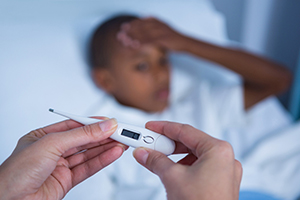
A temperature above 100.4°F (38°C) is generally considered a fever. When it rises beyond 102°F (39°C), it may require closer monitoring. Extremely high fever, especially above 104°F (40°C), can be dangerous and needs immediate medical attention.
Common Causes of Fever
Fever can be caused by many different conditions. Most of them are related to infections, but other factors can also play a role.
Common causes include:
- Viral infections such as flu, cold, or dengue
- Bacterial infections like typhoid or urinary infections
- Seasonal illnesses and weather changes
- Food poisoning or stomach infections
- Inflammatory conditions or chronic diseases
Understanding the cause is essential for proper treatment, which is why consulting a General Physician in Vijayawada is recommended when symptoms persist.
When Does Fever Become Dangerous?
Not all fevers are dangerous, but certain signs indicate that it may be serious. The intensity, duration, and associated symptoms all matter.
A fever becomes concerning when:
- It exceeds 103-104°F (39.5-40°C)
- It lasts more than 3 days without improvement
- It does not respond to basic medication
- It keeps returning frequently
Persistent or high-grade fever can be a sign of infections like dengue, malaria, or even more serious conditions. Early diagnosis is key to preventing complications.
Symptoms That Need Immediate Attention
Some symptoms along with fever require urgent medical care. These signs should never be ignored.
Seek immediate help if you notice:
- Severe headache or confusion
- Difficulty breathing
- Seizures or fits
- Persistent vomiting
- Chest pain or extreme weakness
These symptoms may indicate a serious infection or complication that needs emergency care. Access to proper General Medicine Doctor in Vijayawada ensures timely diagnosis and treatment.
Fever Duration – How Many Days is Too Long?
The duration of fever plays a major role in determining its severity. Most viral fevers improve within 2 to 3 days with rest and hydration.
If fever continues beyond:
- 3 days: It needs medical evaluation
- 5 days or more: It may indicate a deeper infection
- More than a week: Requires detailed investigation
Long-lasting fever should never be ignored, as it may be linked to infections like typhoid or tuberculosis.
Fever in Children vs Adults
Fever affects children and adults differently. Children are more sensitive to temperature changes and may develop symptoms faster.
In Children:
- Fever can rise quickly
- Risk of febrile seizures (fits)
- Dehydration occurs faster
In Adults:
- Fever may indicate underlying chronic conditions
- Symptoms may develop gradually
- Higher risk in elderly individuals
Parents and caregivers should be extra cautious when children have high fever. Consulting an Internal Medicine Specialist in Vijayawada can help in managing both pediatric and adult cases effectively.
When to Visit a Doctor in Vijayawada
Many people try home remedies first, which is fine for mild fever. But knowing when to visit a doctor is crucial.
You should consult a doctor if:
- Fever is high or persistent
- Symptoms worsen instead of improving
- There is no clear cause for the fever
- You have existing health conditions
Timely consultation for Fever treatment in Vijayawada helps in early recovery and prevents complications.
Diagnosis and Tests
To identify the cause of fever, doctors may perform a basic physical examination and recommend tests if needed.
Common diagnostic methods include:
- Blood tests to detect infections
- Urine tests for urinary infections
- Imaging tests in certain cases
- Rapid tests for dengue, malaria, or typhoid
Visiting a trusted facility like Best General Medicine Hospital in Vijayawada ensures accurate diagnosis using modern equipment.
Treatment Approach
Treatment depends on the underlying cause of the fever. In most cases, a combination of medication and supportive care is sufficient.
Doctors may recommend:
- Fever-reducing medicines (paracetamol)
- Antibiotics for bacterial infections
- Adequate hydration and rest
- Balanced diet to support recovery
Experienced doctors such as Dr. Parvathi Gutta focus on treating the root cause rather than just controlling symptoms.
Prevention Tips
Preventing fever is not always possible, but certain steps can reduce the risk of infections.
- Maintain proper hygiene and wash hands regularly
- Drink clean and safe water
- Avoid exposure to infected individuals
- Strengthen immunity with a healthy diet
- Take precautions during seasonal changes
Simple lifestyle habits can go a long way in protecting your health.
Conclusion – Don’t Ignore the Warning Signs
Fever is often harmless, but it can sometimes be a warning sign of a serious condition. Understanding when it becomes dangerous helps you take the right action at the right time.
Do not ignore persistent or high fever, especially when it is accompanied by other symptoms. Early medical attention can prevent complications and ensure faster recovery.
If you or your loved ones are experiencing concerning symptoms, consult a qualified doctor without delay. Your health is important—take it seriously and seek timely care.