
Introduction
In recent years, jaggery has become a popular alternative to refined sugar. Many people believe that replacing sugar with jaggery is a healthier choice and may even help prevent diabetes. This idea is widely shared in households and on social media, leading to confusion about what is truly beneficial for health.
However, is jaggery really a safer option for blood sugar control? Can it actually prevent diabetes, or is it just a myth? In this article, we will explore the facts behind jaggery and sugar, how they affect blood glucose levels, and what medical experts recommend.
As explained by Dr Parvathi Gutta, a trusted name in general medicine, understanding the science behind food choices is important for making the right health decisions.
What is Jaggery?
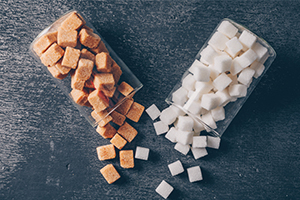
Jaggery is a traditional sweetener made from sugarcane juice or palm sap. The juice is boiled and concentrated until it solidifies into a block or powder form. Unlike refined sugar, jaggery is less processed and retains some natural minerals like iron, calcium, and potassium.
Refined sugar, on the other hand, goes through multiple processing steps and loses most of its natural nutrients. This is why jaggery is often considered a “natural” or “healthier” sweetener.
However, despite these differences, both jaggery and sugar are primarily composed of carbohydrates. Their main function in the body is to provide energy, which comes from glucose.
Does Jaggery affect Blood Sugar levels?
Many people assume that jaggery does not raise blood sugar levels as much as sugar. This is not entirely true. Jaggery contains a high amount of sucrose, which is quickly broken down into glucose in the body.
The glycemic index (GI) of jaggery is relatively high, meaning it can cause a rapid increase in blood sugar levels after consumption. This response is quite similar to that of refined sugar.
Even though jaggery contains small amounts of minerals, these do not significantly reduce its impact on blood glucose. For individuals with diabetes or those at risk, consuming jaggery can still lead to spikes in blood sugar.
Can Replacing Sugar with Jaggery Prevent Diabetes?
The simple and medically accurate answer is no. Replacing sugar with jaggery alone cannot prevent diabetes.
Diabetes is a complex metabolic condition influenced by multiple factors such as genetics, lifestyle, diet, body weight, and physical activity levels. Changing just one ingredient in your diet will not eliminate the risk.
Both sugar and jaggery increase blood glucose levels. Excess consumption of either can contribute to insulin resistance over time. Therefore, focusing only on switching sweeteners does not address the root cause of diabetes.
Watch Expert Advice
Watch Dr. Parvathi Gutta explain whether replacing sugar with jaggery can help prevent diabetes and what diabetic patients should know before making dietary changes.

A holistic approach that includes a balanced diet, regular exercise, weight control, and stress management is far more effective in preventing diabetes.
Is Jaggery better than Sugar for people with Diabetes?
Jaggery may be slightly better than refined sugar in terms of trace nutrients, but this does not make it a safe option for people with diabetes.
From a blood sugar perspective, both behave similarly. They can cause spikes in glucose levels if consumed in large amounts. Therefore, diabetic patients should be cautious with both.
Instead of focusing on which sweetener is better, it is more important to reduce overall sugar intake. Choosing low glycemic foods and maintaining portion control plays a key role in diabetes management.
Patients who are unsure about their diet should consult a qualified doctor or nutrition expert for personalized advice.
Expert Advice from a Diabetes Specialist
Managing diabetes requires a structured and consistent approach. According to the Best Diabetes specialist in Vijayawada, the focus should be on long-term lifestyle changes rather than quick fixes.
Here are some essential tips:
- Maintain portion control for all sweet foods, including jaggery
- Follow a balanced diet rich in vegetables, whole grains, and proteins
- Exercise regularly for at least 30 minutes a day
- Maintain a healthy body weight
- Monitor blood sugar levels regularly
- Attend routine health checkups
A General medicine doctor in Vijayawada can help create a personalized plan based on your health condition and risk factors.
When should you Consult a Diabetes Specialist?
It is important to seek medical advice if you are at risk of developing diabetes or already experiencing symptoms. Early intervention can help prevent complications and improve long-term outcomes.
You should consult a doctor if:
- You have a family history of diabetes
- You are diagnosed with prediabetes
- You experience symptoms like excessive thirst, frequent urination, or fatigue
- Your blood sugar levels are consistently high
- You find it difficult to control sugar levels despite lifestyle changes
Timely consultation with the Best General physician in Vijayawada ensures proper diagnosis and effective management of your condition.
Conclusion
Jaggery is often seen as a healthier alternative to sugar, but it is important to understand that it is not a solution for preventing diabetes. Both jaggery and sugar can raise blood glucose levels and should be consumed in moderation.
The key to preventing and managing diabetes lies in adopting a healthy lifestyle, making informed dietary choices, and seeking professional medical advice.
If you are concerned about your blood sugar levels or need guidance on managing your health, consult an experienced doctor for personalized care. Along with diabetes management, a physician can also guide you on other health concerns such as Pneumonia Treatment in Vijayawada, ensuring complete and holistic healthcare support.
TAKE THE RIGHT STEP TODAY TOWARDS BETTER HEALTH WITH EXPERT GUIDANCE AND EVIDENCE-BASED CARE.
Frequently Asked Questions (FAQs)
1. Is jaggery healthier than sugar?
Jaggery is less processed and contains trace minerals like iron and potassium, making it slightly more nutritious than refined sugar. However, both raise blood sugar levels, so moderation is essential.
2. Can diabetic patients eat jaggery?
People with diabetes should consume jaggery only in limited quantities and under medical guidance, as it can still raise blood glucose levels significantly.
3. Does jaggery increase blood sugar?
Yes, jaggery has a high glycemic index and can cause a rapid spike in blood sugar, similar to refined sugar.
4. Can jaggery prevent diabetes?
No, jaggery cannot prevent diabetes. Managing overall diet, lifestyle, and weight plays a far more important role in diabetes prevention.
5. Is palm jaggery better for diabetes?
Palm jaggery may have slightly more nutrients, but it still affects blood sugar levels. It is not considered safe for unrestricted use in diabetes.
6. Which sweetener is safer for people with diabetes?
Low-calorie sweeteners such as stevia may be suitable alternatives for some people with diabetes. However, the best choice depends on individual health conditions and should be discussed with a healthcare professional.
7. How can I naturally reduce my risk of diabetes?
Maintain a healthy weight, exercise regularly, limit refined sugars, eat a balanced diet rich in fiber, and manage stress effectively.
8. When should I consult a diabetes specialist?
You should consult a specialist if you experience symptoms like frequent urination, excessive thirst, unexplained weight changes, or if you have a family history of diabetes. Regular check-ups are also important for early detection.
9. Is jaggery a good substitute for sugar for weight loss?
No. Although jaggery is less processed than refined sugar, it contains nearly the same amount of calories and carbohydrates. Excess consumption can contribute to weight gain and increased blood sugar levels.
10. Can a General Physician help in preventing diabetes?
Yes. A General Physician can assess your risk factors, recommend lifestyle modifications, monitor blood sugar levels, and provide preventive healthcare guidance to reduce the risk of developing diabetes and its complications.